

Horticultural Livelihoods, Innovation and Food Safety in Ethiopia (Horti-LIFE)
Fact sheet:
Funding Instrument: DGIS (Dutch Ministry of Foreign Affairs)
Budget: €56.6 million
Timeline: October 2023 - September 2029
Implementors: SNV
Since its inception in 2016, the Horticultural Livelihoods, Innovation and Food Safety in Ethiopia (Horti-LIFE) project has been at the forefront of transforming Ethiopia’s horticultural landscape. Now in its third phase, this six-year continuation (2023 - 2029) aims for systemic integration of FFS into the country's agricultural extension services. At the heart of the project are Farmer Field Schools (FFS), practical farmer-centred learning platforms where they gain hands-on experience on improved horticultural technologies and practices. These schools cover critical topics such as the use of improved variety seeds, appropriate fertiliser selection and application, soil health management, effective crop management, efficient water use, and the safe handling and application of pesticides. Through experiential learning, farmers build the skills and confidence needed to make informed decisions, adopt new technologies, and sustainably boost their productivity and increase their incomes.
While phase one (2016-2018) was a pilot and phase two (2018-2023) focused on scaling up, Horti-LIFE III is about embedding its approach into Ethiopia’s institutional fabric. Nearly half of all current FFS (2,200 annually) are now being implemented directly by local government actors - sign of the project's alignment with long-term national objectives. Farmers involved have shifted visibly from subsistence to commercial horticulture, developing a strong demand for improved inputs like commercial seedlings and high-quality hybrid varieties. The result is a growing number of smallholder farmers transitioning into viable agri-entrepreneurs.
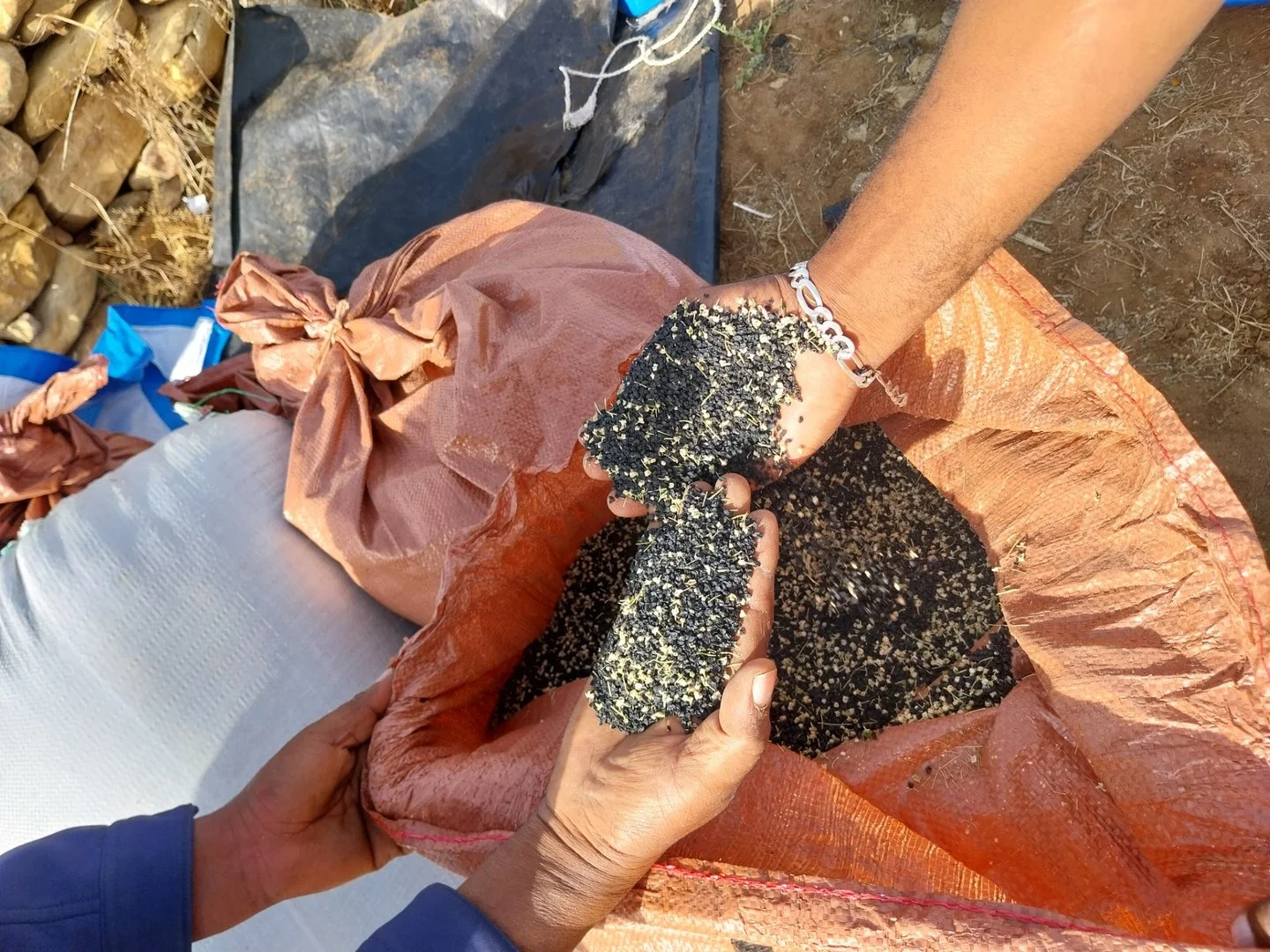
Seed system development is another cornerstone of Horti-LIFE. The project supports the local production of certified open-pollinated varieties (OPVs) for crops like red onion, garlic, and hot pepper. It has worked closely with Ethiopian research centres, seed inspectors, and local multipliers to raise the quality and availability of improved seed. At the same time, international seed companies - particularly Dutch ones - are encouraged to showcase and promote their hybrid varieties during demonstration events, contributing to a vibrant, demand-led market where farmers can choose what variety suits their farms best.
The strength of Horti-LIFE lies in its multilevel collaboration. The Ethiopian Ministry of Agriculture is a key partner, facilitating national and regional rollout. Regional bureaus of agriculture, academic institutions, private seed companies, and financial institutions are part of the ecosystem. While Dutch breeding companies are not formally part of the project’s partnership design, Horti-LIFE engages regularly with their local distributors and occasionally with the breeders themselves, who actively showcase and promote their varieties during FFS demonstrations. These informal but effective connections have helped to ground the project in Ethiopia’s realities while drawing on international best practices.
Achievements over the past eight years are tangible. Farmers now see the value of investing in quality seed, and financial institutions - traditionally hesitant to lend to smallholders due to perceived risks - are stepping in with substantial financing. Thanks to the project's support and the visible results of FFS-based learning, smallholder horticulture is increasingly seen as a viable business, reducing the perceived risk for financial institutions. Perhaps most critically, farmers are no longer reluctant to experiment, provided they have the opportunity to test innovations in low-risk environments like FFS plots. This experiential trust-building has been pivotal for adoption.
While Horti-LIFE has made strong progress, it operates in a dynamic environment where shifting government priorities, input supply constraints, and competing initiatives can occasionally affect implementation. The project’s strong relationships with government partners and its adaptive approach have been key to staying on course. For instance, when the Dutch embassy encouraged greater focus on climate change, Horti-LIFE responded by integrating farmer feedback on climate impacts into the FFS model, allowing for more climate-resilient crop packages.
As Horti-LIFE III unfolds, its focus remains on deepening institutionalisation and ensuring that the gains made are resilient and scalable. The project's cumulative experience now serves as a reference point for integrated seed and horticulture development within Ethiopia and similar seed sector initiatives seeking long-term, systems-level impact.
Contact:
Menno Keizer, Project Manager
mkeizer@snv.org
Matiyas Yigletu, Vegetable FFS Advisor
myigletu@snv.org
Retta Worku, Seed Systems Advisor
rworku@snv.org